Procedural Reconstruction
Rebuilt the motherboard using layered procedural systems instead of relying on photographic textures, allowing greater control over surface complexity and scalability.
A reconstruction study exploring procedural surface generation, physically based materials, and cinematic lighting through a custom-built motherboard environment.
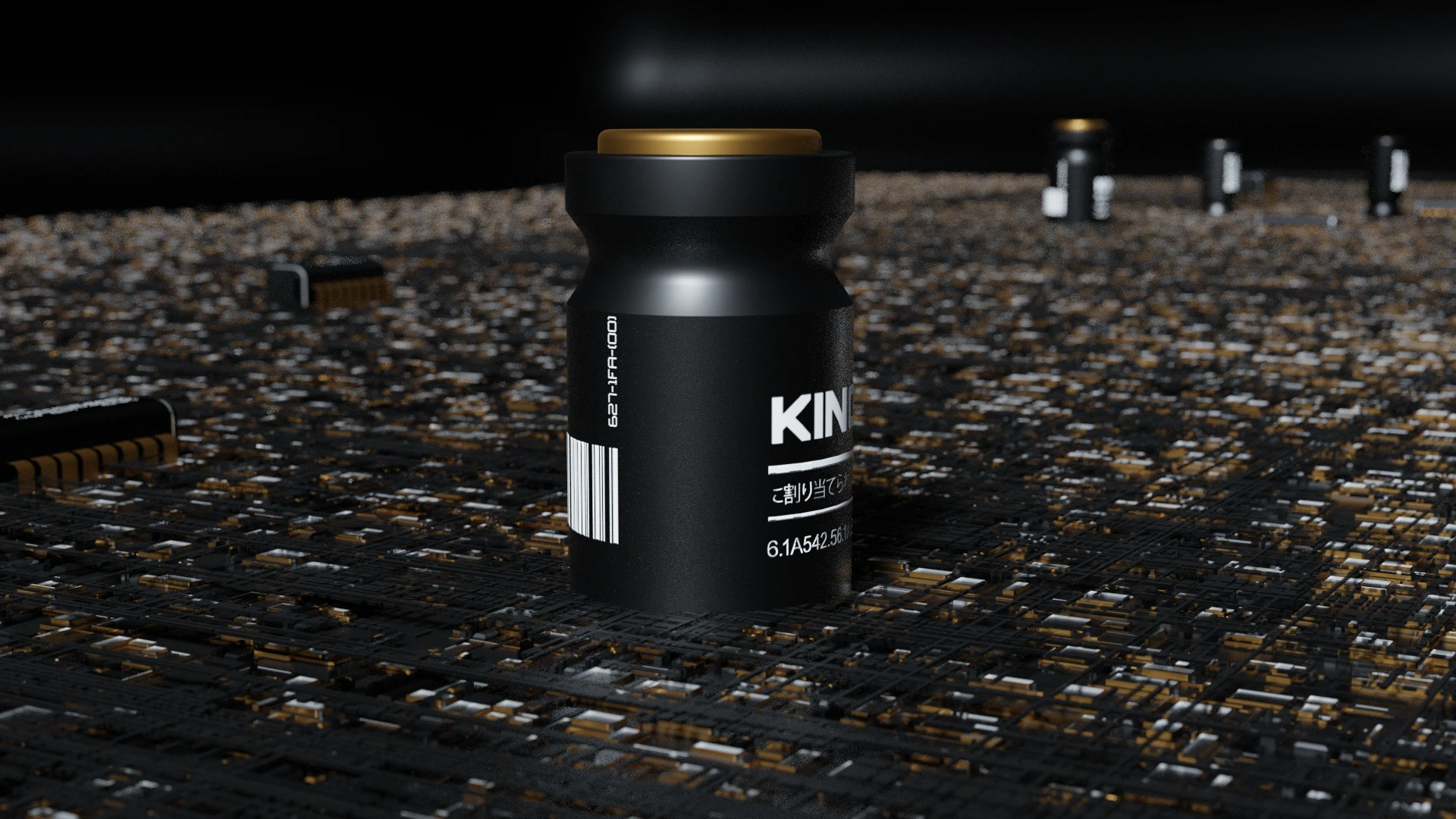
“Lighting is not decoration. It is structure.”
Procedural Reconstruction - Motherboard
Spatial Vizualization
3D Artist
1 Week
Permanent Collection
Rather than creating another static product render, this project explored how the visual complexity of manufactured electronics could be recreated procedurally. Every element—from the PCB surface to the metallic contacts and material variations—was built to study how layered procedural workflows can replace traditional texture-heavy pipelines while maintaining realism.
The original motherboard render wasn't technically wrong. It simply lacked intention. This chapter explores how lighting transformed the visual language of the scene.
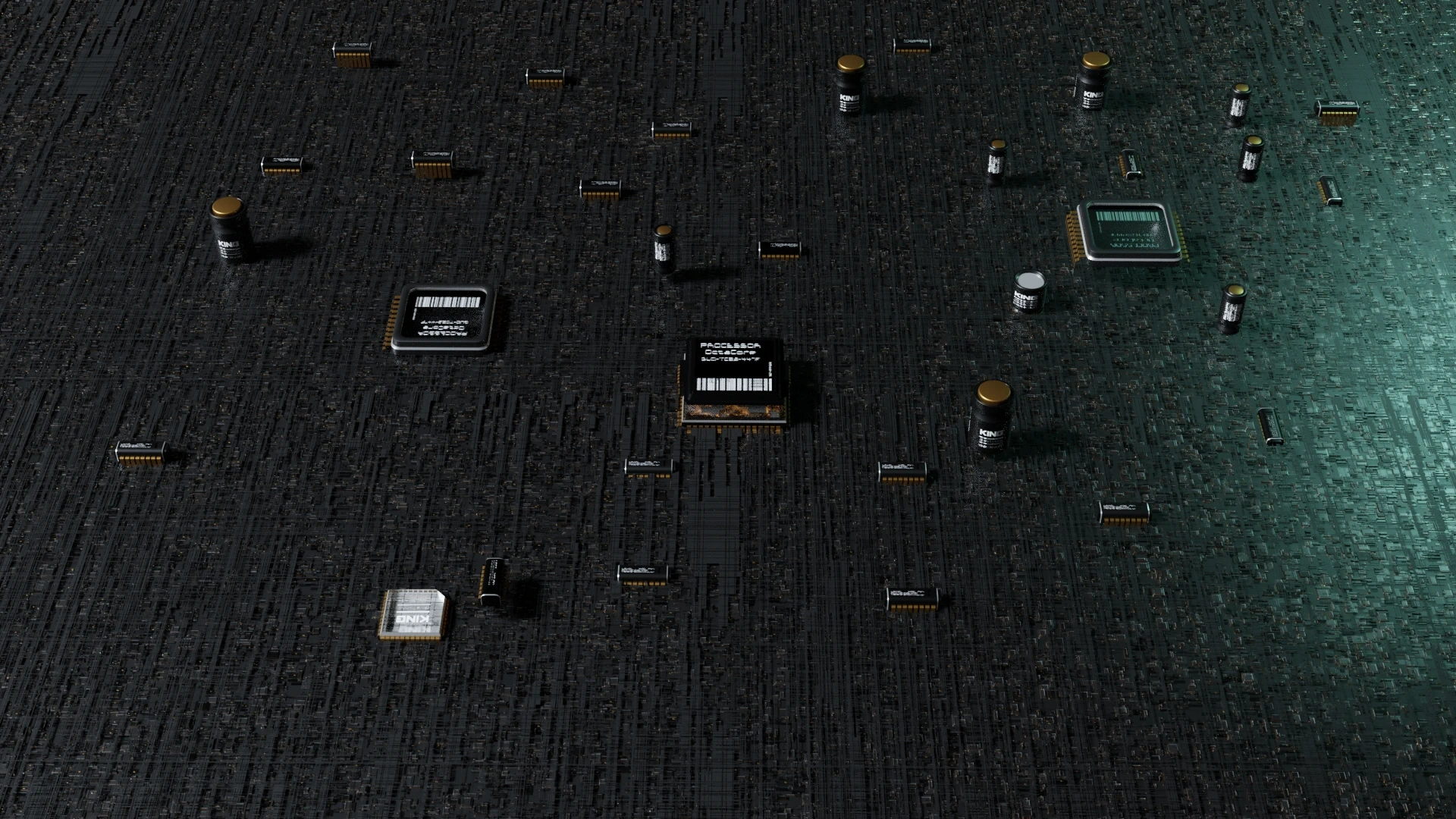
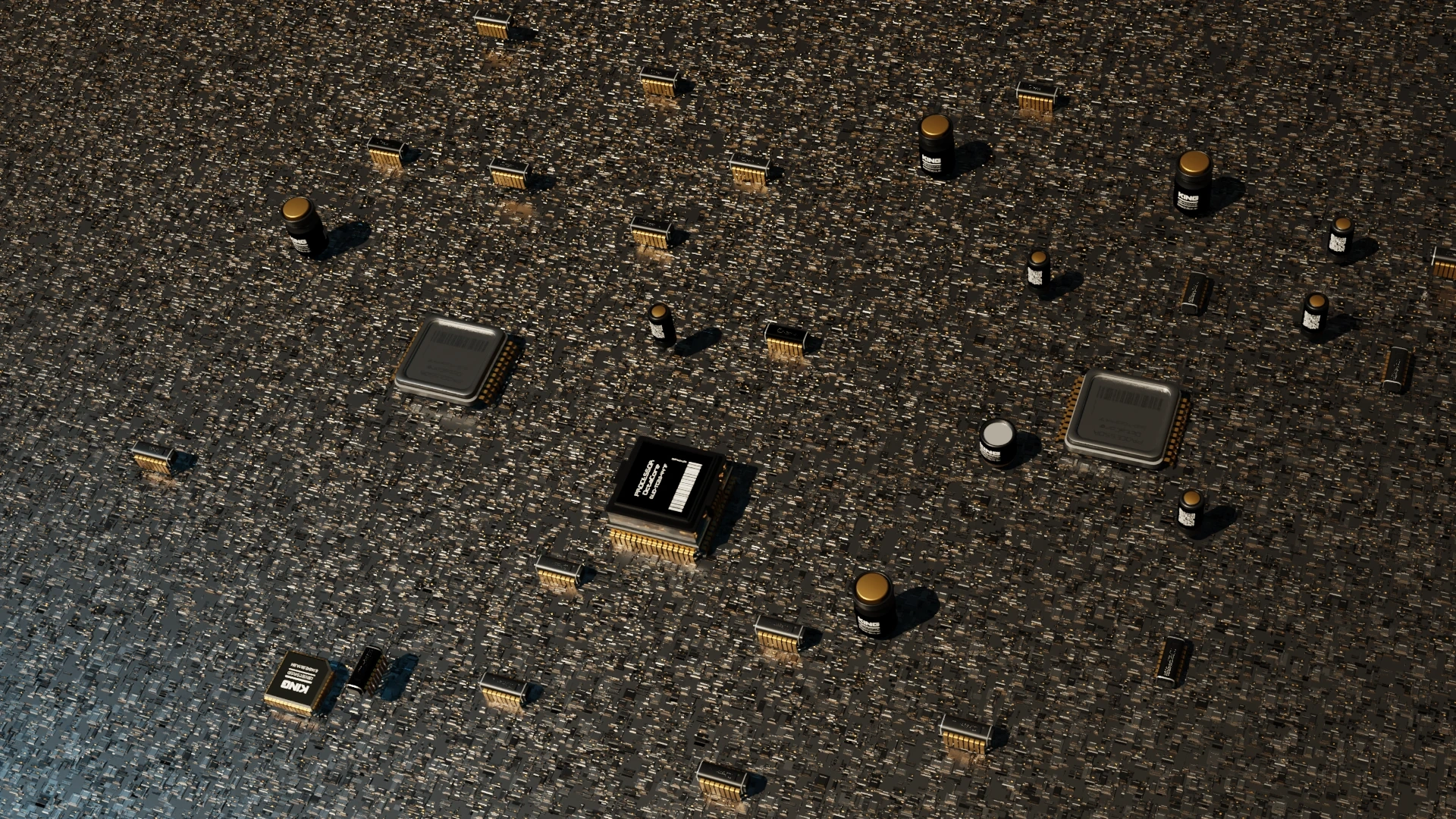
The project began by revisiting an earlier motherboard render. Instead of making cosmetic improvements, every major component—including materials, lighting, and surface definition—was rebuilt from the ground up.
Modern electronic components contain thousands of subtle surface details that are difficult to reproduce convincingly without relying on photographic textures. The objective was to recreate that complexity using procedural techniques while preserving believable material response under multiple lighting conditions.
The scene was built around a modular procedural workflow. Individual materials were developed independently before being combined into a complete motherboard assembly. Multiple lighting studies were then used to evaluate how roughness, metallic response, and micro-surface variation behaved under different environments.
Rebuilt the motherboard using layered procedural systems instead of relying on photographic textures, allowing greater control over surface complexity and scalability.
Developed physically based materials for silicon, anodized aluminium, painted metal and gold contacts with subtle roughness and micro-surface variation.
Explored multiple lighting setups to evaluate how reflections, depth and material separation changed under different environments.
Built the scene through independent modelling, material and lighting stages, making the project easier to iterate and refine.
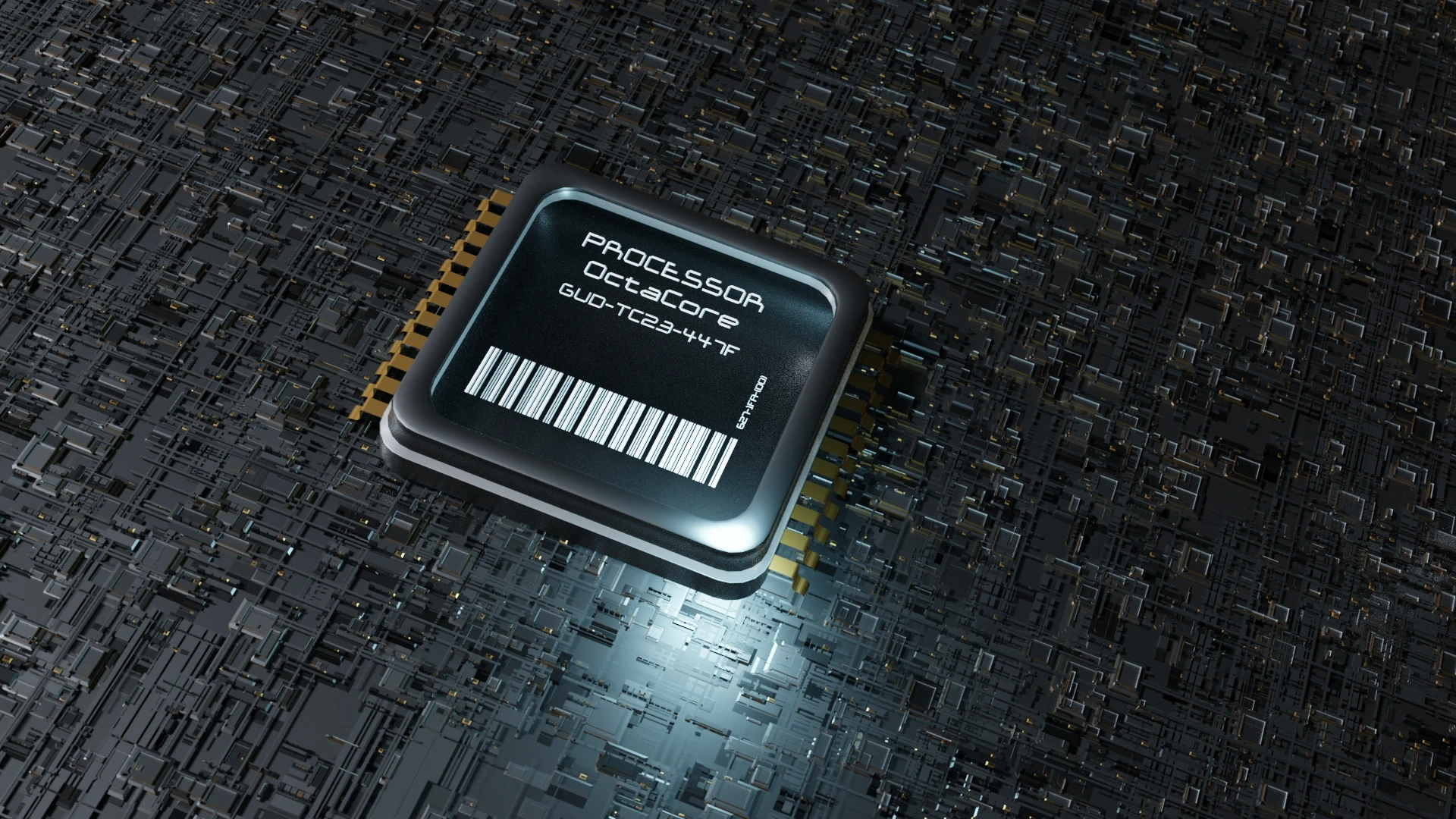
Once the lighting direction was established, every subsequent decision—from camera placement to material response—was evaluated against it. Instead of illuminating the scene uniformly, light was treated as a compositional tool that guided the viewer's attention.
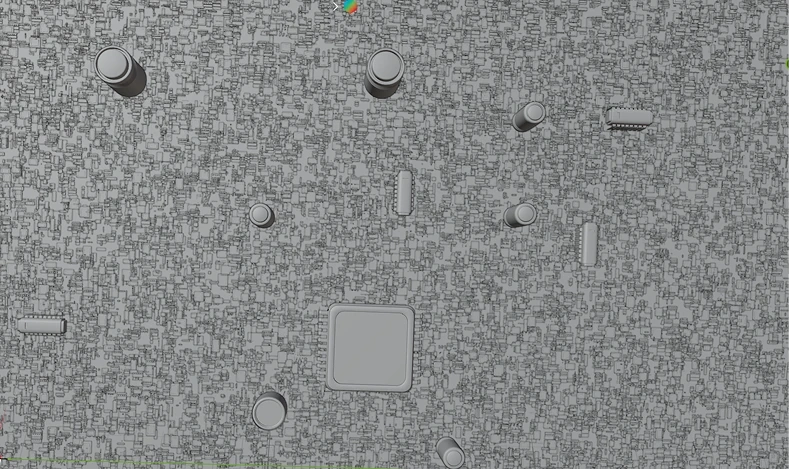
Evaluating proportions and silhouette without material influence.
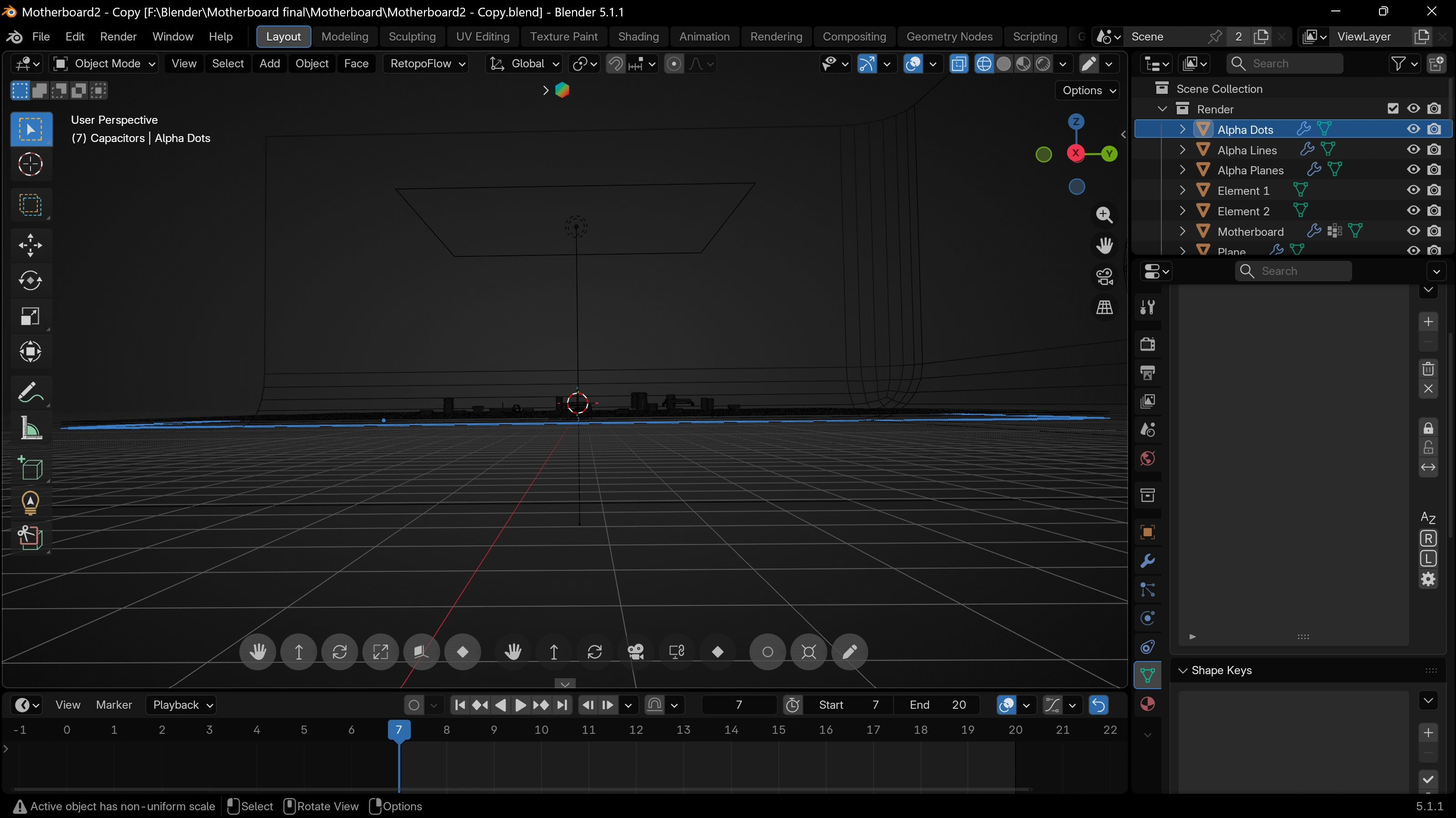
A clean topology prepared for close-up rendering.
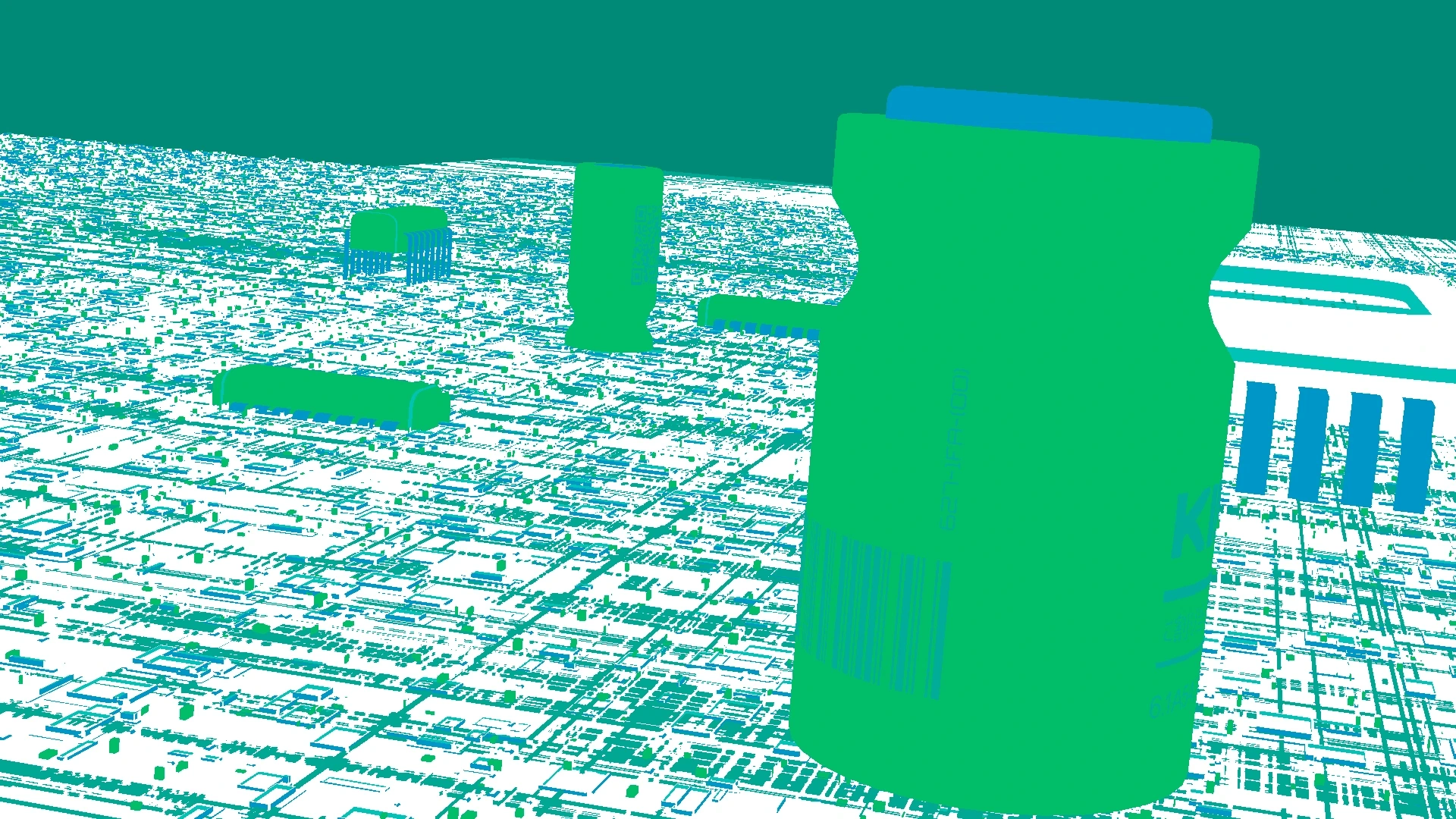
Surface response refined through layered roughness and metallic variation.
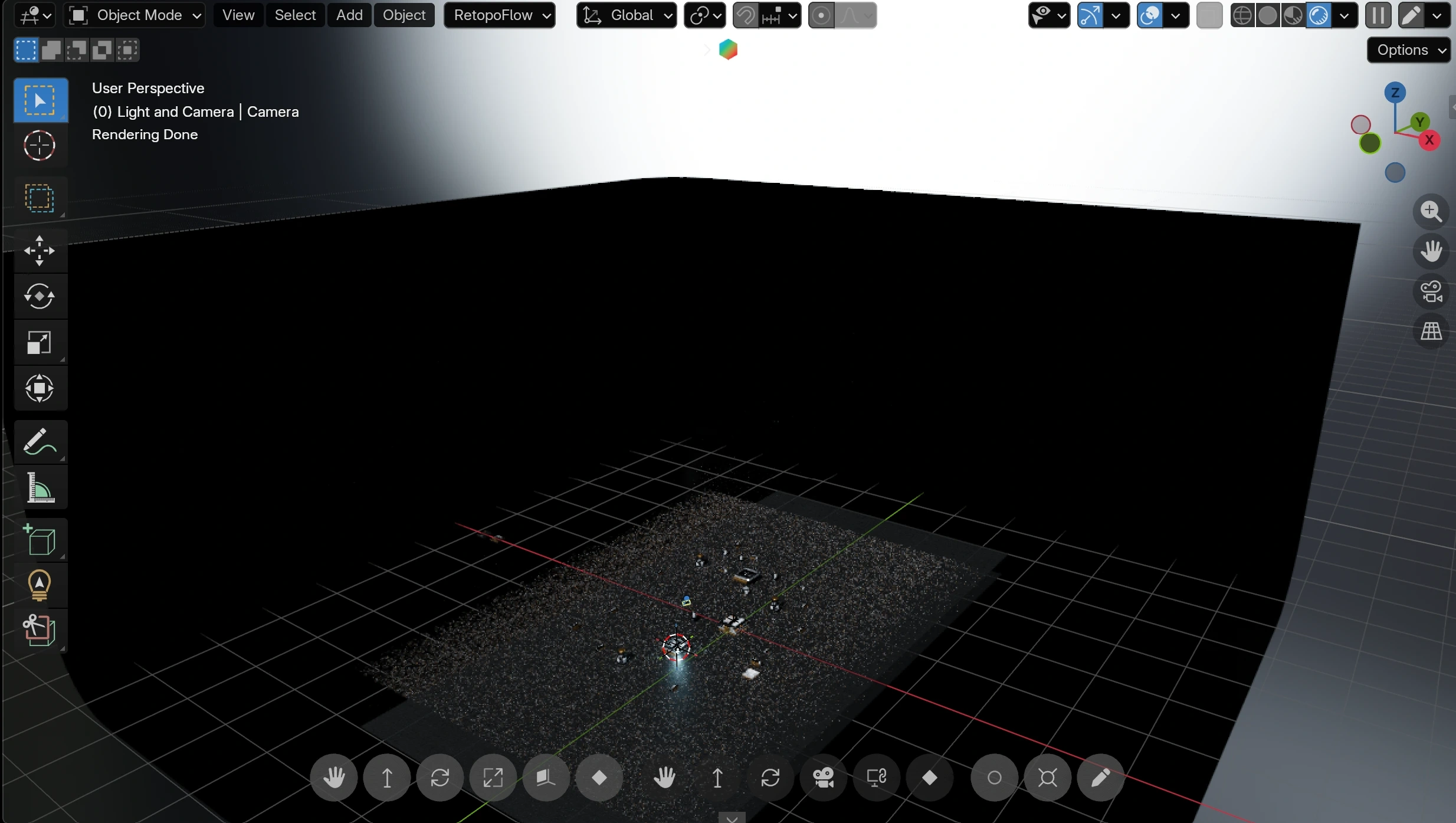
Focused illumination establishing hierarchy and depth.
The reconstruction proved that realism alone does not create compelling imagery. Strong visual hierarchy, controlled lighting and deliberate composition transformed the render into a more intentional piece of visual communication.
The geometry established form. The materials established character.
Believability is created long before the final render. Every material was developed to respond naturally to light, introducing subtle imperfections and layered surface behaviour.

Fine micro-scratches break up perfect reflections.
Subtle fingerprint variation introduces human interaction.
Controlled roughness creates a softer highlight response.

A brushed finish softens reflections while preserving the machined character of the surface.
Anisotropic highlights reinforce the directional grain produced during manufacturing.
Slight edge wear introduces subtle contrast, suggesting repeated handling without excessive damage.

High metallic reflectivity creates crisp highlights while maintaining a warm conductive finish.
Low surface roughness preserves clean reflections across electrical contact points.
Subtle tonal variation prevents the plating from appearing uniformly artificial.
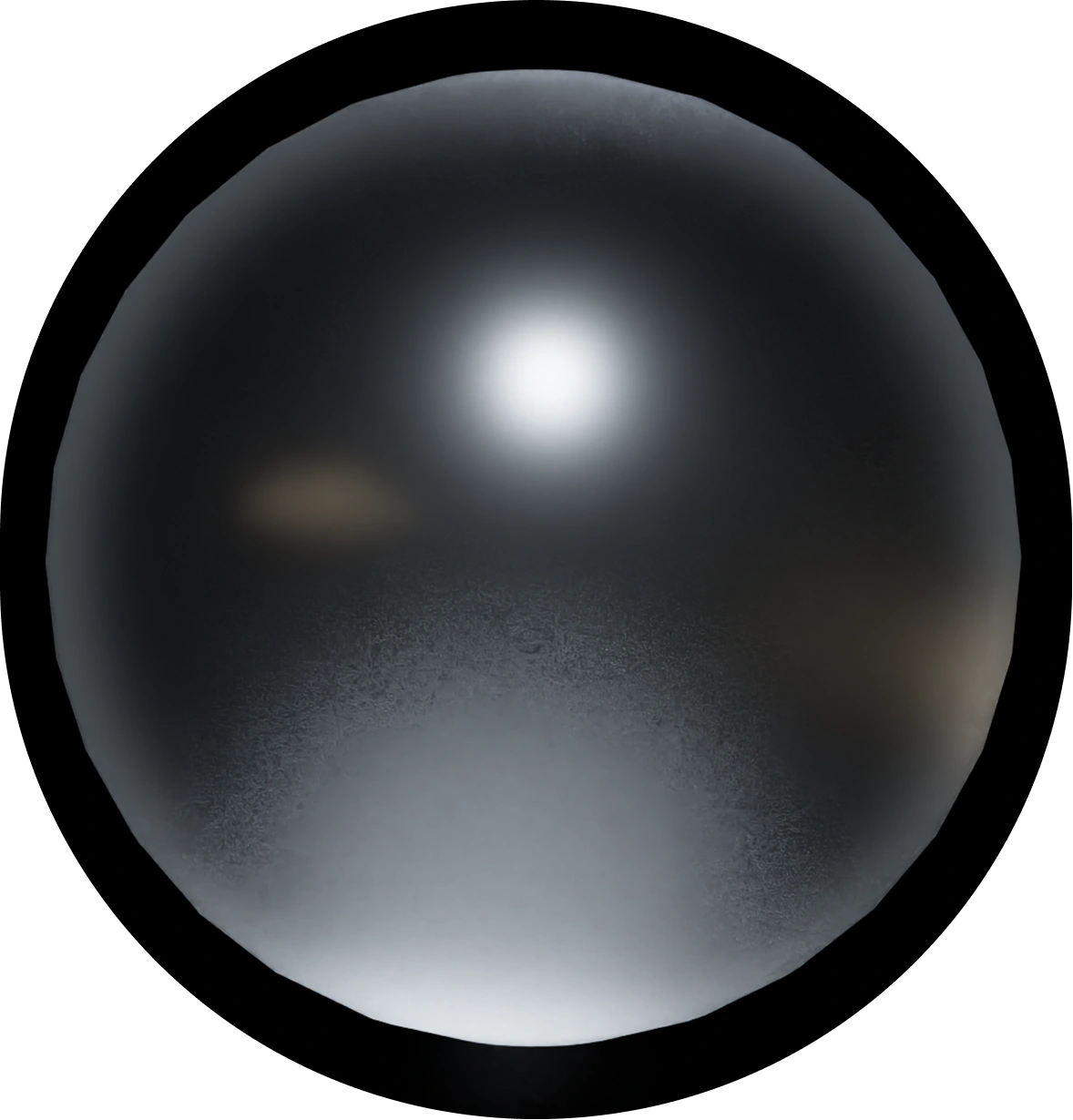
A slightly tinted surface introduces depth while preserving the visibility of underlying details.
Soft Fresnel reflections strengthen edge definition without overpowering the material.
Minimal surface imperfections reduce visual uniformity while maintaining optical clarity.

The painted coating softens metallic reflections, producing a clean industrial finish.
Fine micro-texture introduces subtle light breakup across broad illuminated surfaces.
Slight edge wear exposes the underlying metal, suggesting prolonged mechanical use.

Layered procedural geometry recreates the dense visual complexity of a populated circuit board.
Controlled height variation enhances depth without overwhelming the primary components.
Alternating metallic traces and matte substrates improve visual separation under grazing light.
Every surface tells the truth about the light that touches it.
Every lighting setup explored a different relationship between hierarchy, contrast and material response.
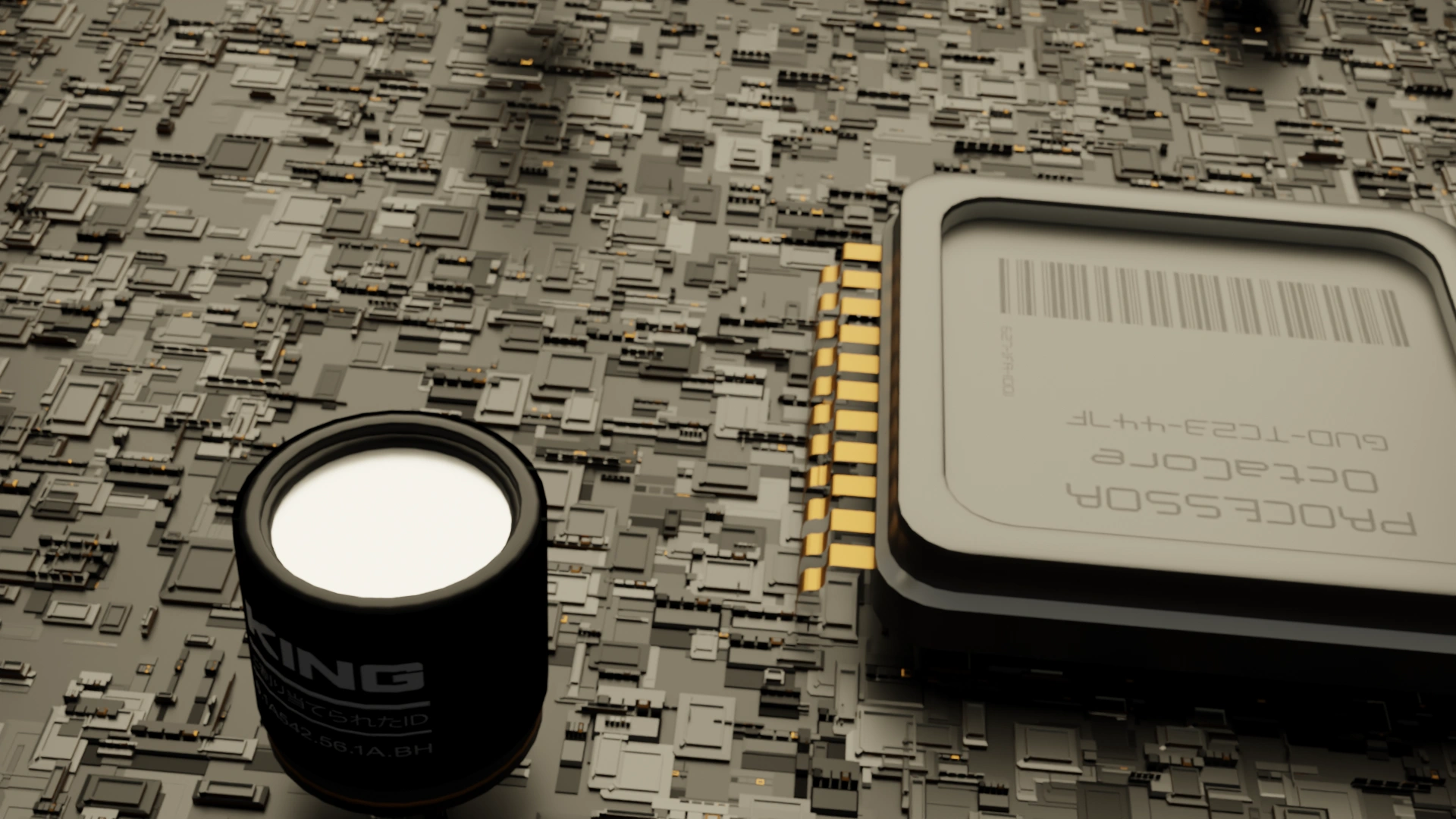
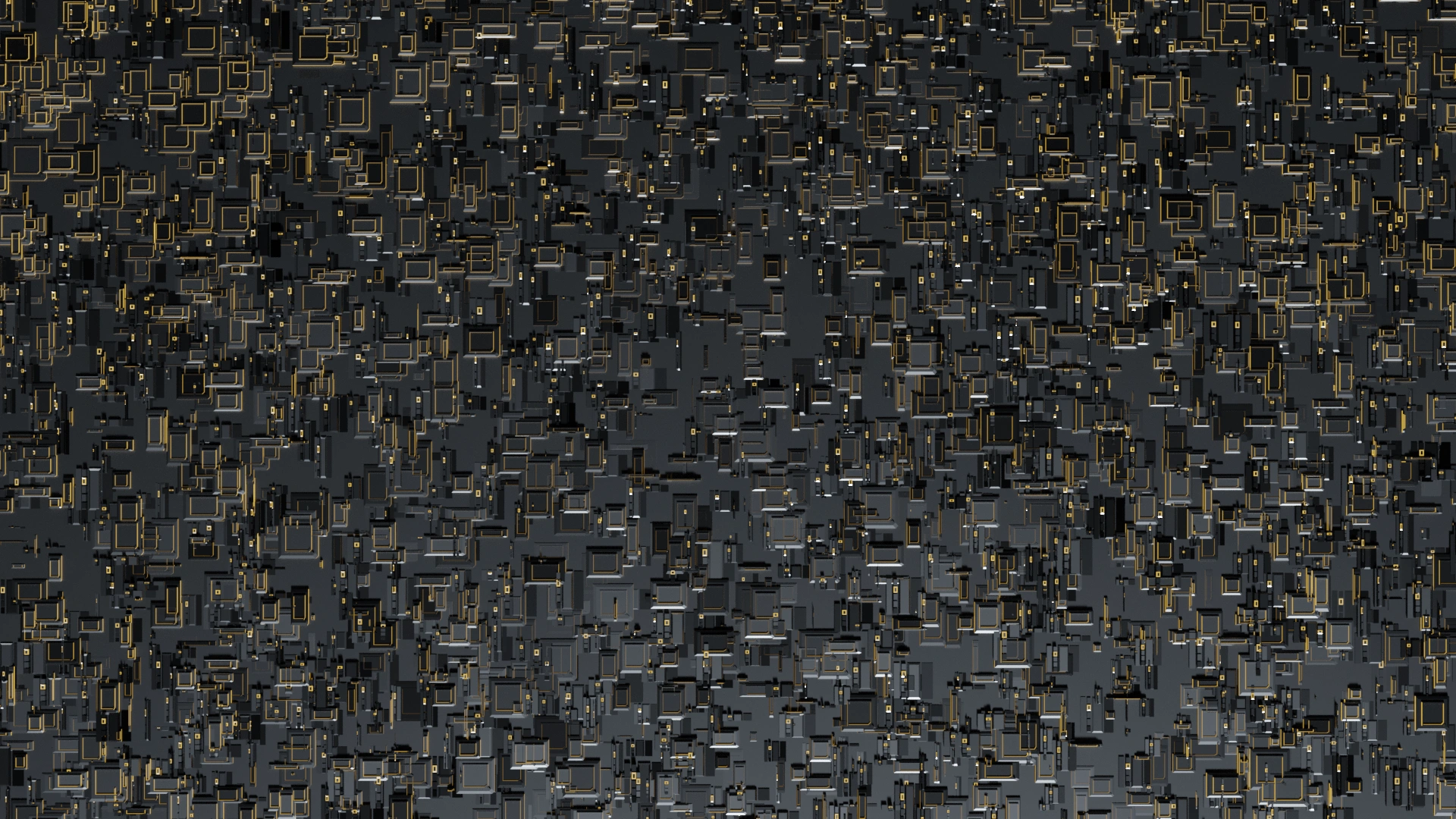
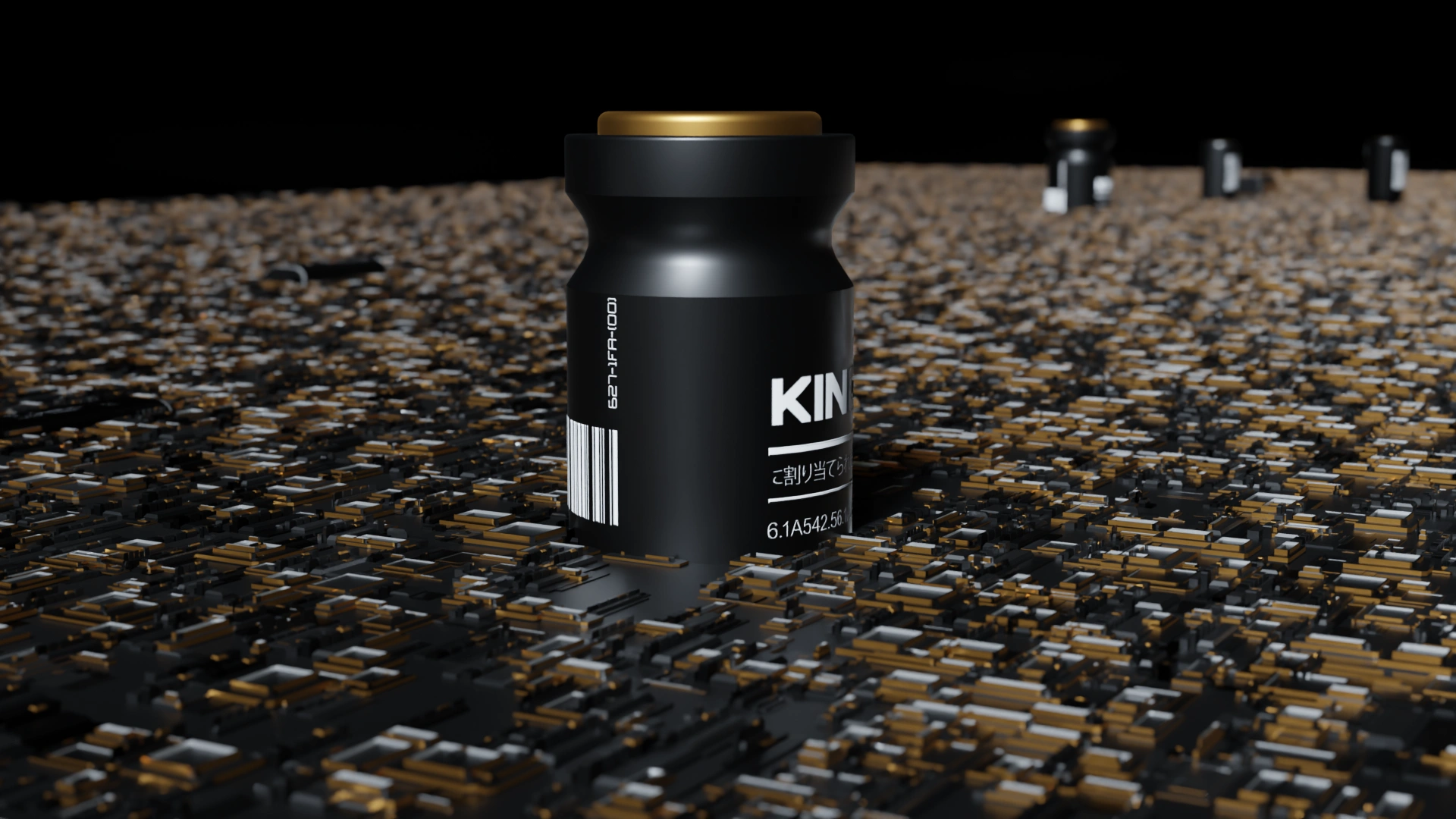

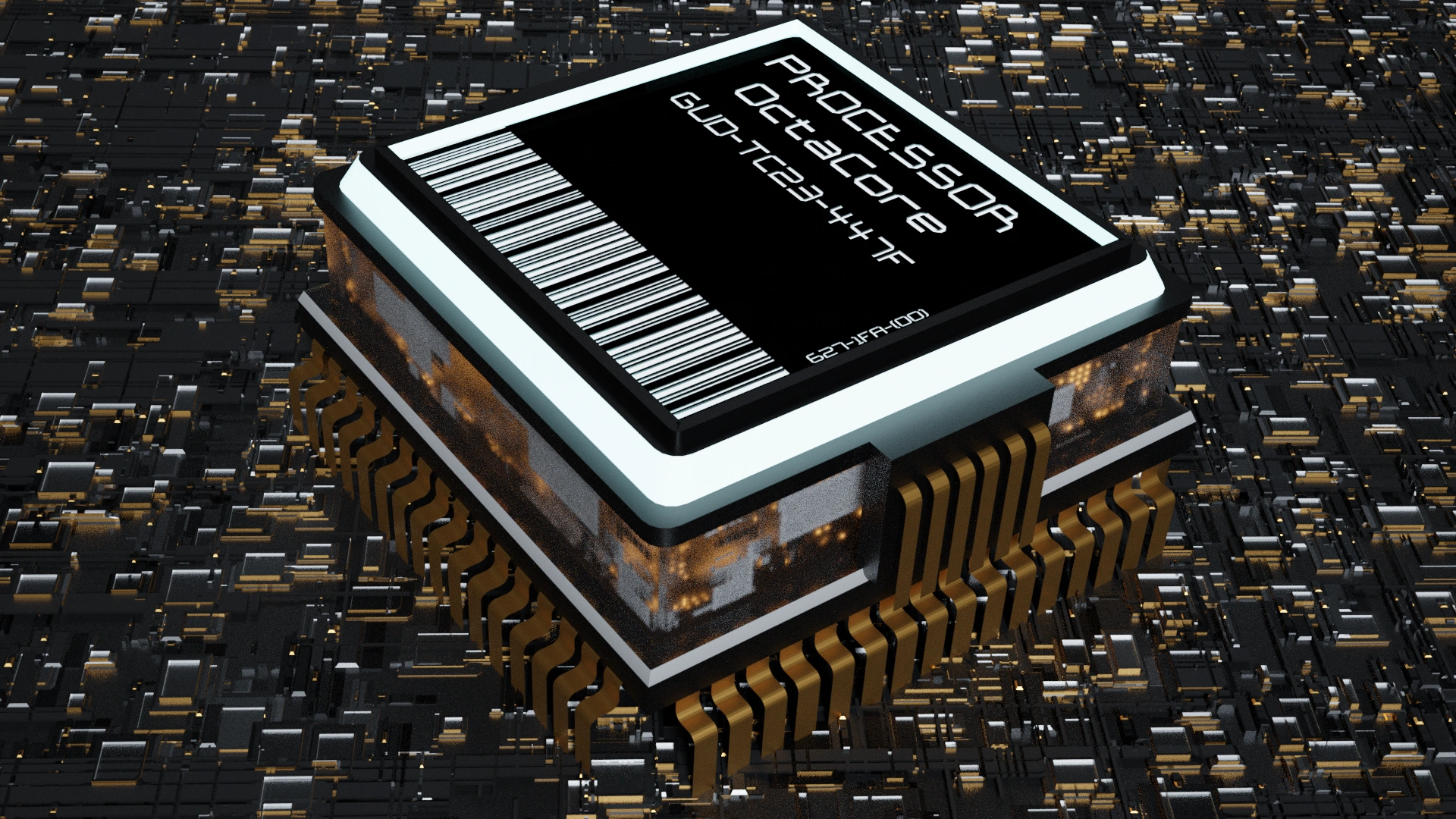
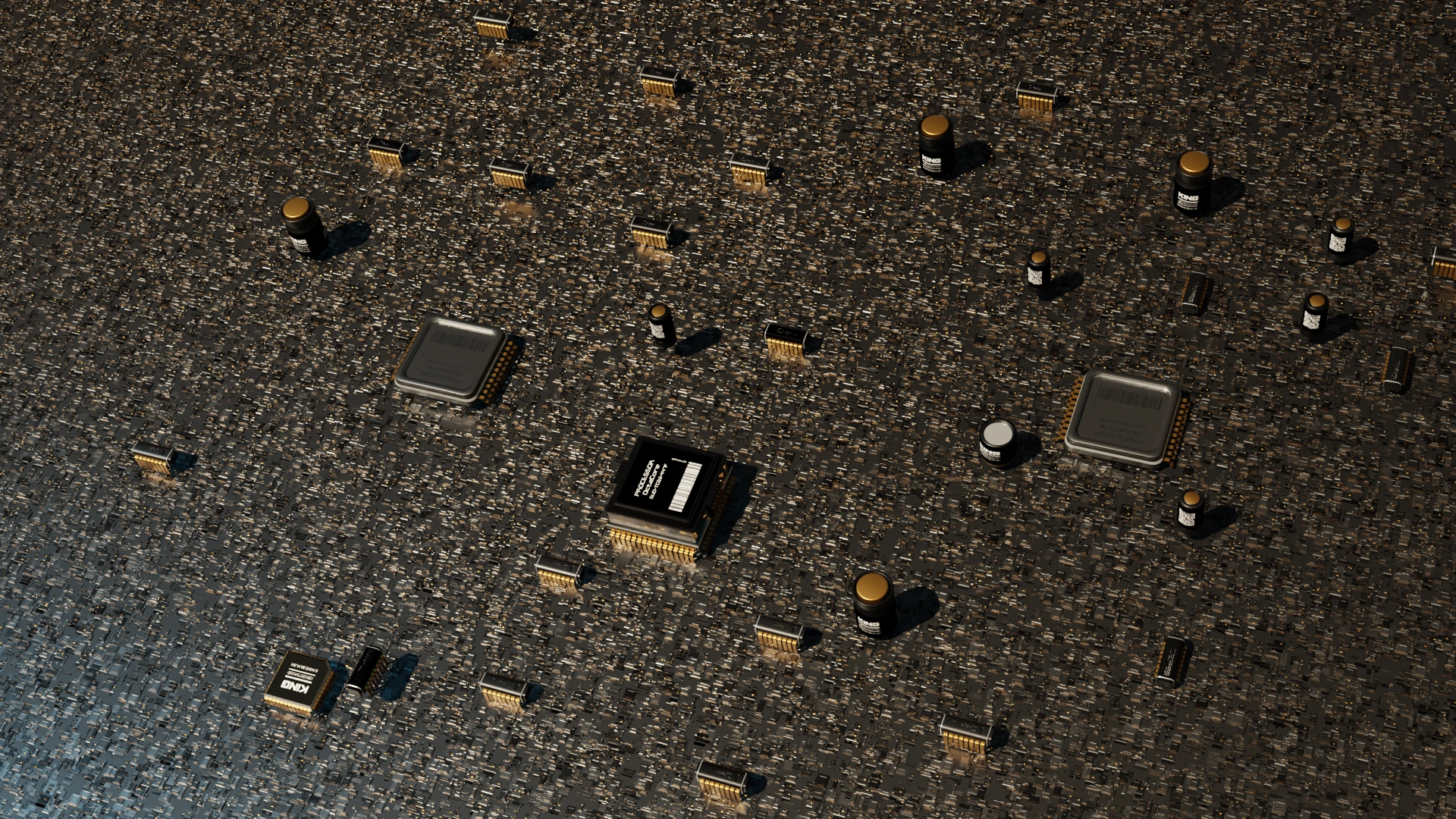
Every lighting setup asks a different question. Only one tells the right story.
After rebuilding every element—from composition to material behaviour—the project reached a stage where every visual decision supported the same idea. The final image became a study of deliberate observation rather than technical execution.
The reconstruction proved that realism alone does not create compelling imagery. Strong visual hierarchy, controlled lighting and deliberate composition transformed the render into a more intentional piece of visual communication.
Render Investigation 001
Akira
2023
Blender • Cycles • Geometry Nodes
ARCHIVED
"Observation became the final medium."